

Drywall Mold Removal in Providence, RI
Providence's proximity to Narragansett Bay and year-round elevated humidity create conditions where moisture accumulates steadily indoors, making drywall particularly vulnerable to mold colonization in homes throughout neighborhoods like Federal Hill and College Hill. Drywall Mold Removal requires prompt action to prevent structural compromise and protect indoor air quality, since affected panels can deteriorate quickly if moisture persists. Blevins Mold Remediation connects Providence property owners with local independent providers who assess drywall damage, contain affected areas safely, and coordinate removal and replacement to restore your home's integrity.
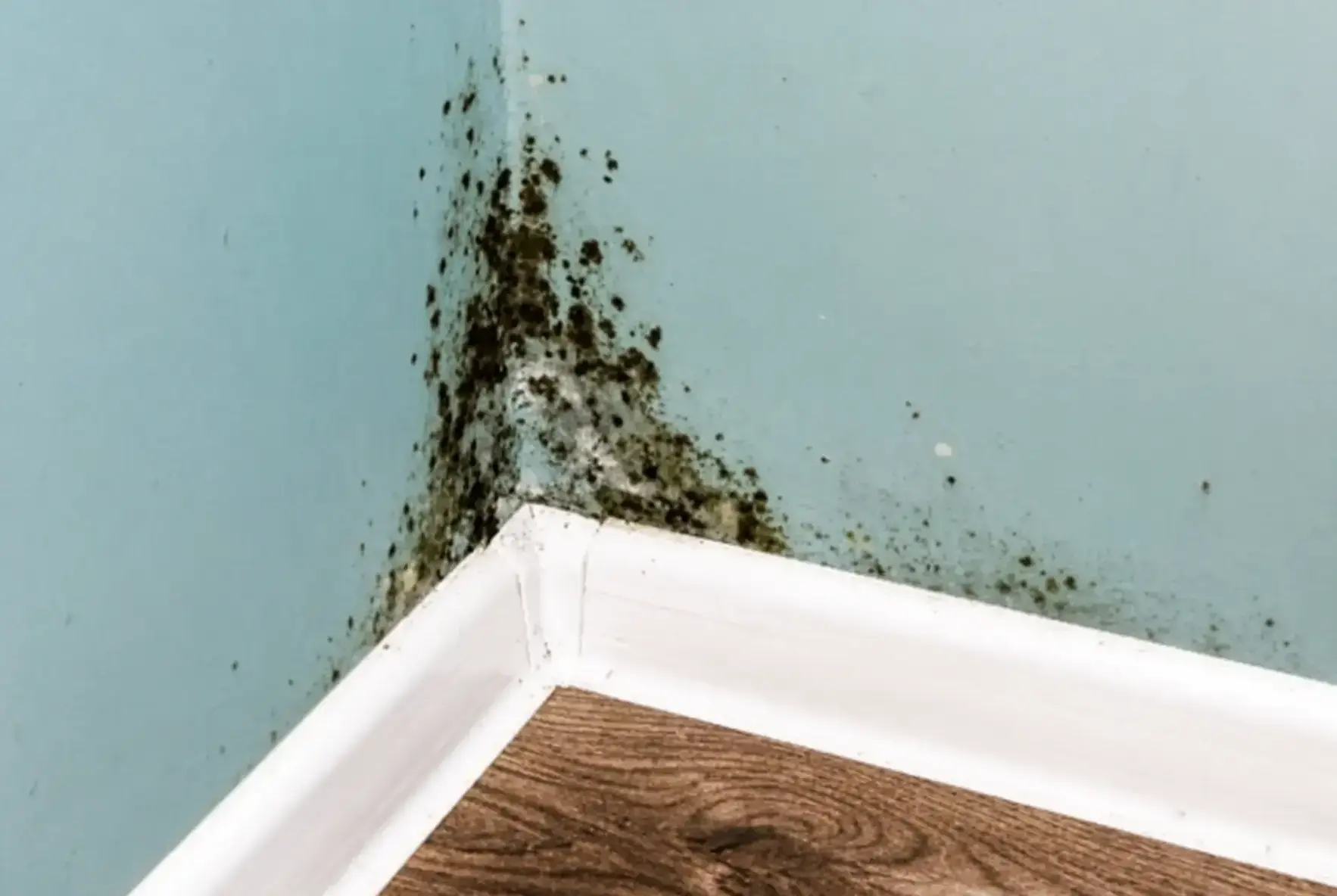
What gets cleaned in a wall cavity, and what comes out
Two questions decide the scope of any mold job: what is it growing on, and how much of it is there. The EPA publishes an answer for both, and this is that guidance applied to the materials you would expect in a wall cavity.
| Material | Under 10 sq ftabout a cabinet door, or one ceiling tile | 10 to 100 sq ftroughly one wall, or a small bathroom | Over 100 sq ftmore than one room's worth of surface |
|---|---|---|---|
| Wallboardthe wallboard itself, both facesEPA, Table 2 | HEPA vacuum | HEPA vacuumRemove and discard | HEPA vacuumRemove and discard |
| Wood surfacesstuds, plates and sheathing behind itEPA, Table 2 | Wet vacuumDamp wipeHEPA vacuum | Wet vacuumDamp wipeHEPA vacuum | Wet vacuumDamp wipeHEPA vacuumRemove and discard |
What those methods mean, in EPA's words
- Wet vacuum
Wet vacuums are vacuum cleaners designed to collect water. They can be used to remove water from floors, carpets and hard surfaces where water has accumulated.
EPA, cleanup methods- Damp wipe
Mold can generally be removed from nonporous (hard) surfaces by wiping or scrubbing with water, or water and detergent.
EPA, cleanup methods- HEPA vacuum
HEPA (High-Efficiency Particulate Air) vacuums are recommended for final cleanup of remediation areas after materials have been thoroughly dried and contaminated materials removed.
EPA, cleanup methods- Remove and discard
Building materials and furnishings that are contaminated with mold growth and are not salvageable should be double-bagged using 6-mil polyethylene sheeting.
EPA, cleanup methods
Removed and replaced, whatever the area
- Fiberglass or other insulation — batt or blown insulation in the stud bay.
Fiber glass, or any other insulation material that is wet or visibly moldy (or if an unacceptable odor is present) should be removed and replaced by a qualified heating and cooling system contractor.
EPA, air duct cleaningEPA states this in its heating-and-cooling guidance and it is quoted here as written. Its water-damage table reaches the same conclusion for both fiberglass and cellulose insulation.
These guidelines are for damage caused by clean water. If you know or suspect that the water source is contaminated with sewage, or chemical or biological pollutants, then Personal Protective Equipment and containment are required by OSHA.
EPA, Table 1Porous materials that are wet and have mold growing on them may have to be discarded.
EPA, cleanup methodsMold can grow on wood, drywall, carpet and furniture if they remain wet for more than 24 hours.
EPA, flood cleanup
What shows on the painted face is usually smaller than what is inside the cavity, because the paper facing and the stud bay stay wet long after the surface looks dry. That is why the area measured on the wall and the area actually remediated are rarely the same number. The studs behind are often salvageable even when the board is not.
In Providence, 69.3% of the housing stock went up before 1960 — an era of plaster, unlined cavities and supply lines that were never meant to be inspected.Source: US Census Bureau, American Community Survey 2023 5-year estimates, table B25034 — Providence city (79,275 housing units)
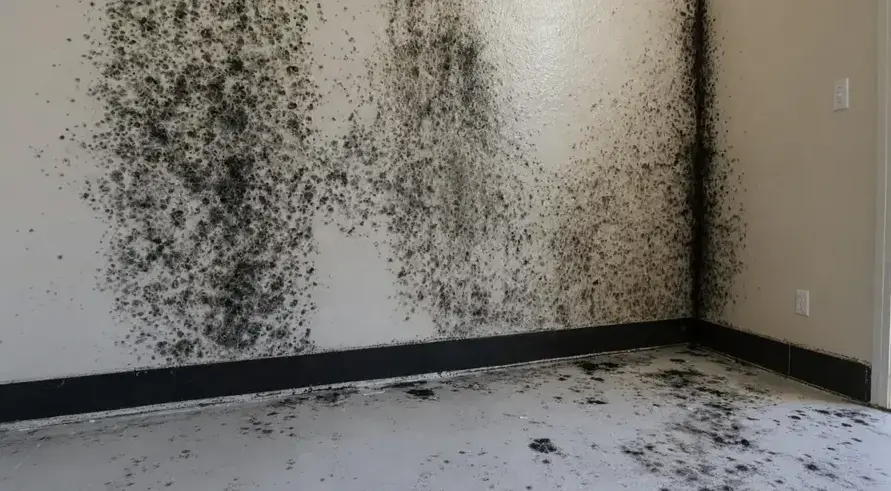
Drywall Mold Removal Solutions for Providence Homes
Providence's year-round humidity creates persistent moisture conditions indoors, especially in older homes where basements and crawl spaces struggle to stay dry without proper ventilation. Drywall in these damp environments becomes a prime target for mold growth—moisture wicks into gypsum board, creating hidden colonies that compromise both structural integrity and indoor air quality. Property owners in neighborhoods like College Hill and Federal Hill, where historic construction is common, frequently discover mold affecting walls and ceilings once moisture problems go unaddressed. Left unchecked, affected drywall deteriorates and spreads mold spores throughout living spaces, making professional removal essential rather than optional.
Blevins Mold Remediation connects Providence property owners with local independent providers who specialize in complete drywall mold removal—from identifying moisture sources and containing affected areas to safely removing compromised material and restoring sound structure. These providers use thorough containment protocols to prevent spore dispersal during the removal process and address underlying dampness so mold does not quickly return. Once damaged drywall is removed and the environment is stabilized, they guide you toward drying and protective measures tailored to your home's specific conditions. Getting ahead of drywall mold damage protects your property and the health of everyone inside.
Why Providence Property Owners Choose Blevins Mold Remediation
Fast Local Drywall Mold Removal
Blevins connects you with independent local providers who respond quickly to drywall mold concerns. Rapid assessment and containment help prevent further moisture damage and indoor air quality decline.
Thorough Drywall Mold Treatment
Experienced independent providers in the Blevins network use proven methods to address drywall mold at its source. Complete removal and proper drying help protect your home's structure and occupant health.
Clear Communication Throughout Removal
Blevins-connected providers explain drywall mold findings and removal steps in plain language. You'll understand the scope of work, containment measures, and next steps without confusion or surprises.
Providence's Year-Round Humidity Challenge
Rhode Island's persistent moisture—especially in older homes across neighborhoods like Federal Hill and College Hill—creates ideal conditions for drywall mold. Blevins connects you with providers who understand local humidity patterns and deliver thorough removal tailored to Providence properties.
How Our Drywall Mold Removal Process Works
Schedule Your Drywall Mold Inspection
Contact Blevins Mold Remediation to arrange a drywall mold inspection in Providence. A local independent provider will visit your property to identify mold growth within walls, assess moisture sources, and determine the scope of drywall mold removal needed.
Assess Drywall Damage and Moisture
The independent provider evaluates affected drywall sections to pinpoint mold extent and underlying moisture that's feeding it. In Providence's humid climate, elevated indoor moisture can persist year-round, making thorough drywall inspection and moisture control essential to address the root cause.
Remove and Replace Affected Drywall
Once assessment is complete, the independent provider removes contaminated drywall sections, treats affected framing, and installs new drywall with proper moisture management. Follow-up monitoring ensures the drywall mold removal is complete and indoor conditions remain dry.
Dealing with Drywall Mold Removal in Providence? Get fast, professional help.
Call Now — (401) 388-3550Drywall Mold Removal Across Providence
Providence's proximity to Narragansett Bay creates consistently elevated moisture levels year-round, making drywall mold removal a common concern for homeowners throughout the city. The persistent humidity in enclosed spaces—whether in historic neighborhoods like Federal Hill and College Hill or elsewhere—keeps drywall vulnerable to mold colonization if ventilation and moisture control aren't maintained. Older homes with aging construction are particularly susceptible, as decades of seasonal moisture accumulation can weaken drywall integrity and create ideal conditions for mold to take hold behind walls and in attics.
When drywall mold develops, prompt removal is important to preserve wall structure and indoor air quality. The independent local providers Blevins Mold Remediation connects customers to understand how Providence's humidity patterns demand thorough containment and removal strategies tailored to each property. Addressing affected drywall early—before moisture damage spreads to framing or insulation—helps prevent more costly restoration work and protects your home's long-term condition.
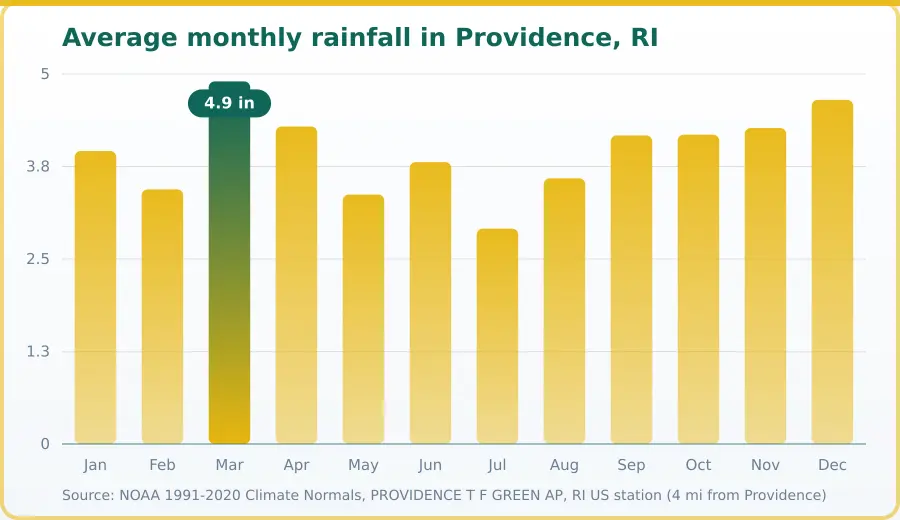
| Period | Monthly rainfall (in) |
|---|---|
| Jan | 4 |
| Feb | 3.4 |
| Mar | 4.9 |
| Apr | 4.3 |
| May | 3.4 |
| Jun | 3.8 |
| Jul | 2.9 |
| Aug | 3.6 |
| Sep | 4.2 |
| Oct | 4.2 |
| Nov | 4.3 |
| Dec | 4.7 |
Source: NOAA 1991-2020 Climate Normals, PROVIDENCE T F GREEN AP, RI US station (4 mi from Providence). Retrieved October 5, 2026.
Seasonal Drywall Mold Removal Needs in Providence
Spring: Thaw and Moisture Rise
Spring snowmelt and increased rainfall raise indoor humidity as drywall absorbs moisture from damp air and wet foundations. Drywall mold becomes visible as discoloration or soft spots emerge from winter dampness. Blevins connects property owners with local providers who inspect and remove mold before it spreads deeper into wall cavities.
Summer: Heat and Condensation
Summer heat and air-conditioning cycles create condensation on cool drywall surfaces, especially in older homes and cellars where humidity remains persistently high year-round. Drywall mold thrives in these warm, moist conditions and grows quickly if not addressed. Referral to a local removal specialist ensures containment and remediation before structural damage accelerates.
Fall: Cooling and Trapped Moisture
Fall temperature swings cause interior moisture to condense on drywall as outdoor air cools and homes are sealed. Drywall mold from lingering summer humidity can reactivate and spread in response to these moisture pulses. Blevins helps property owners connect with providers who assess fall moisture damage and perform targeted drywall removal and replacement.
Winter: Cold Surfaces and Persistent Dampness
Winter cold makes drywall surfaces cold-prone to condensation, and older Providence homes with basements or crawl spaces that lack proper ventilation experience persistent dampness that feeds mold growth in walls. Drywall mold becomes entrenched during winter months when indoor heating meets exterior cold and moisture from poorly ventilated foundation spaces. Blevins connects owners with local providers who remove affected drywall and address underlying moisture sources before spring thaw compounds the problem.
Related Services
Drywall Mold Removal FAQs — Providence, RI
Drywall mold removal typically begins with inspection to identify affected areas, followed by containment to prevent spore spread. The affected drywall sections are then carefully removed and disposed of according to safety guidelines. Once removed, the underlying framing is inspected, cleaned, and allowed to dry thoroughly before new drywall is installed and finished. Blevins connects you with local Providence providers who handle each step.
Response time varies by provider availability and project scope. Blevins Mold Remediation works to connect Providence property owners with independent local providers quickly—many can schedule assessments within days rather than weeks. Contact Blevins with details about your situation to learn how soon a local provider can evaluate your drywall and discuss next steps.
Pricing for drywall mold removal depends on the size and number of affected areas, whether framing behind the drywall requires treatment, accessibility, and how much new drywall must be installed. Humidity levels and ventilation issues that contributed to mold may also influence the scope of work. Independent providers will assess your specific situation and discuss cost factors during an initial evaluation.
Clear the area of personal items and furniture to give providers full access to affected walls. Ensure utilities are accessible if work involves areas near electrical outlets or plumbing. Close doors to contain the work zone and protect other rooms. Your provider will give specific pre-removal instructions, including any temporary relocation recommendations if the affected area is extensive.
After removal, control indoor moisture by ensuring proper ventilation, using exhaust fans in bathrooms and kitchens, and monitoring humidity levels. Fix water leaks promptly and address any condensation buildup on windows or pipes. In Providence's humid climate, a dehumidifier or improved air circulation can help. The provider may recommend moisture barriers or vapor-retarding materials during reinstallation.
Older homes in Providence, particularly historic triple-deckers and colonial-era properties, often have basements and enclosed spaces prone to elevated moisture if ventilation is inadequate. Consistently high humidity throughout the year keeps indoor moisture levels elevated, creating ideal conditions for mold to develop on drywall, especially in areas with poor air circulation or past water intrusion. Early detection and removal are important for protecting both the structure and indoor air quality.
Homeowner Safety Toolkit
Verify Your Providence, RI Mold Remediation Company
Before you hire anyone, use these independent national resources to confirm credentials, standards, and track record.
BBB
Look up any mold remediation company's complaint history, customer reviews, and accreditation status — a free, independent check before you hire.
Check StandingCDC
Covers the health effects of mold exposure and safe cleanup practices, separate from the remediation work itself — useful if anyone in the home has respiratory symptoms.
Mold Health GuideIICRC
Publishes the S520 standard for professional mold remediation. Confirm a company's technicians hold real, current IICRC certification before you hire them.
Verify CertificationDealing with Drywall Mold Removal in Providence, RI? Call (401) 388-3550 for 24/7 help.
Call Now — (401) 388-3550Areas We Serve in Providence, Rhode Island
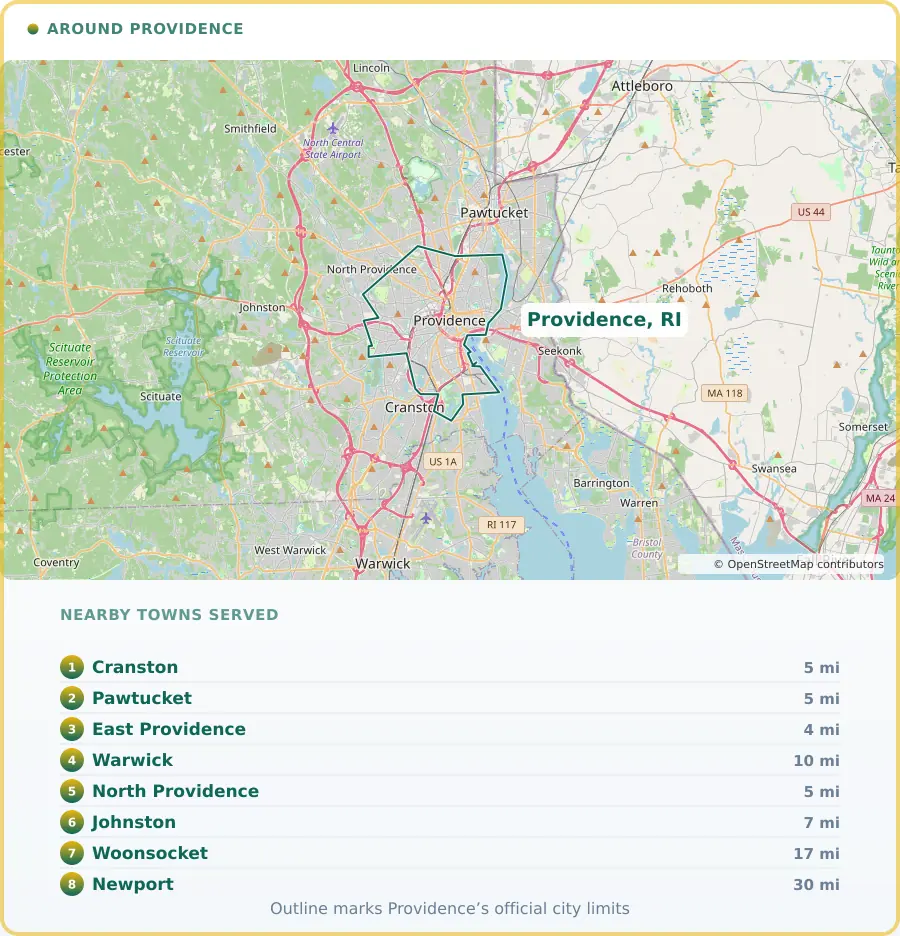
Based in Providence, RI, with 8 nearby communities inside the service area — near enough to reach quickly, not just listed on a map.
Providence, RI Information
Providence anchors Rhode Island as its capital and economic heart, a compact city of roughly 190,000 people where brick mill buildings sit close to modern research labs. Brown University and Johnson & Wales help fuel a steady pulse of students and scholars, while hospital systems like Lifespan and Care New England make healthcare one of the city's biggest engines alongside higher education.
The local economy runs on variety: Citizens Financial Group and Bank of America represent a solid financial sector, Textron keeps manufacturing in the mix, and a revived downtown has brought hospitality, arts, and small businesses back to life. Wander from the historic lanes of College Hill to the lively streets of Federal Hill, and you'll feel a city that blends old New England character with genuine forward motion.
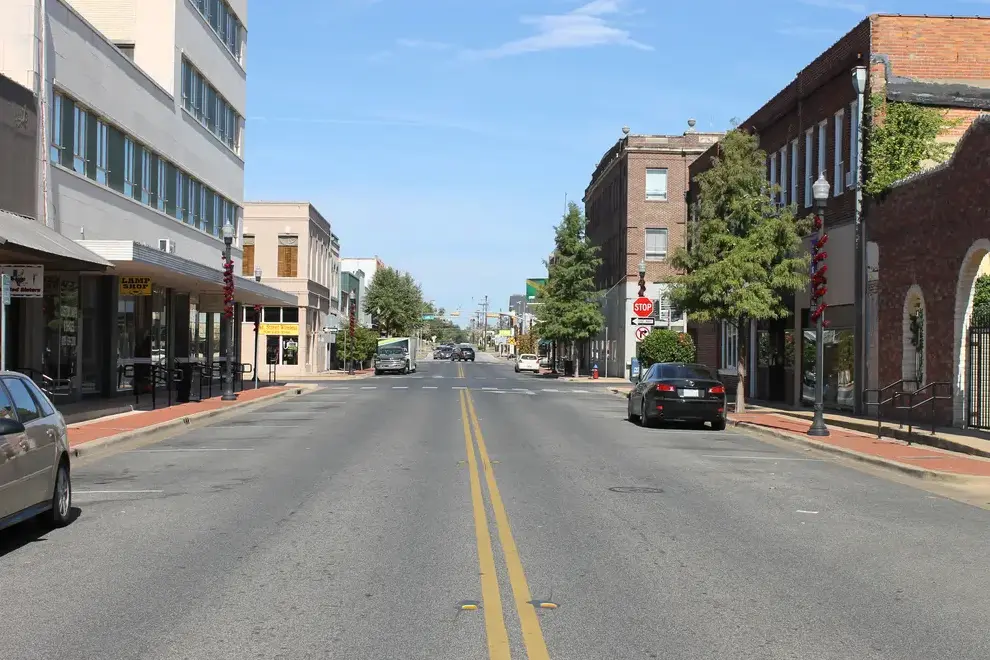
Photo: Billy Hathorn, CC BY-SA 3.0